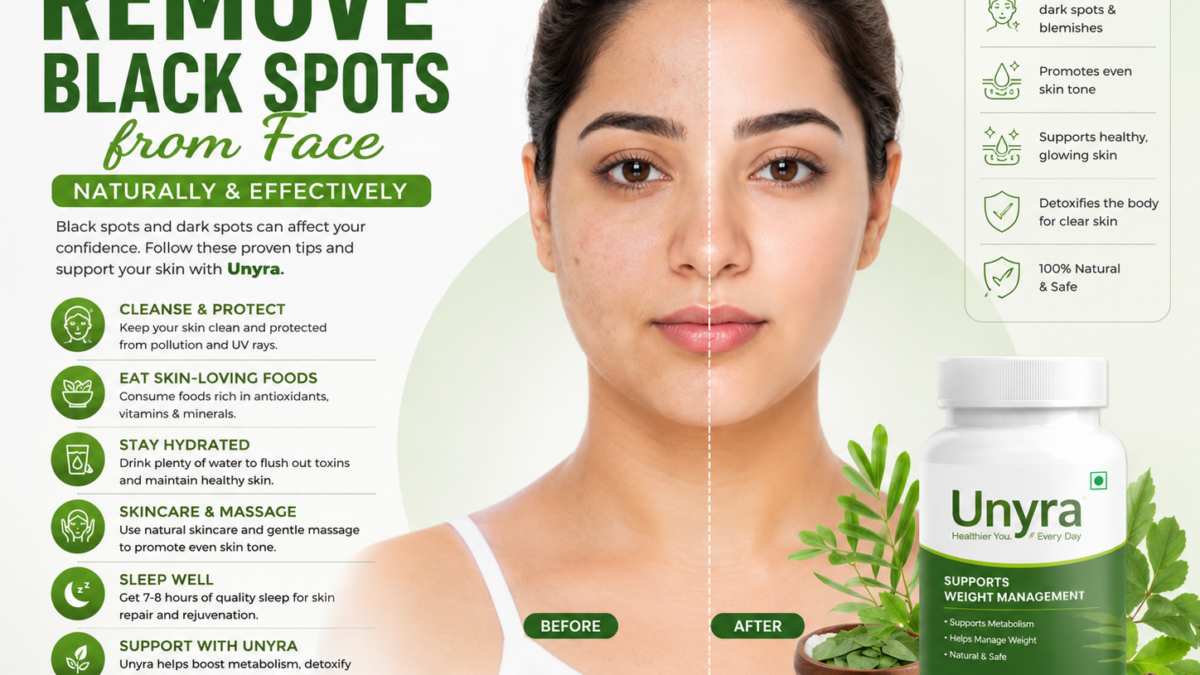
Black spots on the face are usually linked to hyperpigmentation, which happens when the skin produces extra melanin. Common triggers include sun exposure, acne marks, aging, inflammation, and sometimes hormonal changes. Dermatology sources note that dark spots are often harmless, but they can persist if the skin keeps getting irritated or exposed to UV light.medicalnewstoday+1
Daily Care That Helps
The first step is sun protection, because UV rays can make existing spots darker and slow healing. A broad-spectrum sunscreen, worn every day, is one of the most practical ways to prevent new marks from forming and old ones from deepening. Gentle cleansing, avoiding harsh scrubs, and keeping the skin hydrated also support a more even skin tone over time.aad+1
Natural Remedies To Try
Some home ingredients are often used to soothe and brighten skin, including aloe vera, yogurt, honey, turmeric, tomato, and rice water. Aloe vera is especially popular because it may calm the skin while helping reduce the look of discoloration. These remedies are best treated as supportive care rather than instant fixes, because dark spots usually fade gradually.psrihospital+2
Treatments That Work Faster
For stubborn spots, over-the-counter products with ingredients like vitamin C, niacinamide, retinoids, or exfoliating acids may help fade discoloration more effectively than home remedies alone.
Dermatologists also use treatments such as chemical peels, laser therapy, and prescription creams for deeper or long-lasting pigmentation. The best choice depends on the cause of the spots and your skin type.carecredit+2
When To See A Doctor
If the spots are spreading, changing shape, itchy, painful, or not improving after several weeks of consistent care, a dermatologist should evaluate them.
This is especially important for darker skin tones, where post-inflammatory hyperpigmentation can linger and needs careful treatment to avoid irritation. A doctor can also rule out conditions that look like ordinary dark spots but need different care.aad+1
How to remove black spots from face
Black spots on the face are a common skin concern, and they often appear after acne, sun exposure, or inflammation. In many cases, these marks are a form of hyperpigmentation, which means the skin has produced extra melanin in certain areas.
While they are usually harmless, black spots can make the complexion look uneven and dull, which is why many people search for safe and effective ways to remove them.
One of the most important steps in managing black spots is protecting the skin from the sun. UV rays can worsen pigmentation and make old marks appear darker.
That is why dermatologists often recommend daily sunscreen, even on cloudy days or when staying mostly indoors. A gentle skincare routine also matters. Harsh soaps, over-exfoliating, and picking at acne can all lead to more irritation and more spots.
Natural remedies are widely used by people who prefer simple home care. Aloe vera gel is one of the most popular options because it may soothe the skin and support a calmer, healthier appearance.
Honey, yogurt, turmeric, tomato pulp, and rice water are also commonly used in home skincare routines. These ingredients may help some people feel their skin looks fresher, but they do not work overnight. Consistency is key, and results usually take time.
For spots that stay for months or appear more deeply pigmented, stronger treatments may be needed. Over-the-counter skincare products with ingredients such as vitamin C, niacinamide, retinoids, and exfoliating acids can help fade discoloration gradually.
These ingredients work by supporting cell turnover, reducing excess pigment, or brightening the skin’s appearance. In more persistent cases, dermatologists may suggest chemical peels, laser procedures, or prescription treatments.
It is also important to know when black spots should be checked by a professional. If a spot changes in size, color, or texture, or if it becomes itchy or painful, it should not be ignored.
Even when the spots are harmless, a skin specialist can help choose the right treatment based on skin tone, acne history, sensitivity, and the depth of pigmentation.
The safest approach is usually a combination of prevention and treatment. Protect the skin from the sun, avoid irritation, treat acne early, and choose products that suit your skin type. With steady care, many black spots fade gradually and the skin can look clearer and more even over time.
FAQs
What causes black spots on the face?
Black spots are often caused by acne marks, sun exposure, inflammation, or hormonal changes that trigger excess melanin production.healthline+1
Can black spots go away naturally?
Some spots may fade on their own, but many need sunscreen, gentle skincare, and active ingredients to improve more quickly.skinmd1+1
Which home remedy is most popular?
Aloe vera is one of the most commonly recommended home remedies because it is soothing and easy to use.manipalhospitals+1
How long do dark spots take to fade?
Mild spots may improve in a few weeks, but deeper pigmentation can take several months depending on the cause and treatment.carecredit+1
Should I scrub black spots to remove them?
No, aggressive scrubbing can irritate the skin and make pigmentation worse, especially if the spots came from acne or inflammation.