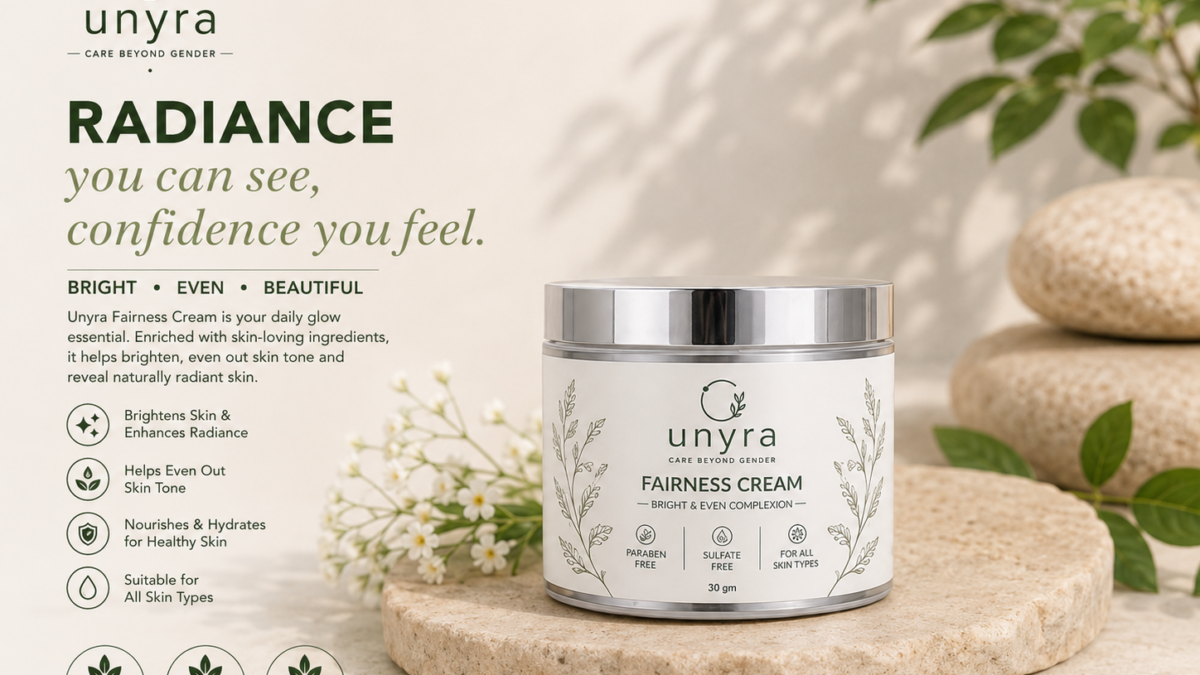
The shelves of every local pharmacy in India still stock dozens of fairness cream variants, from established giants like Pond’s and Garnier to emerging regional brands.
Yet something noticeable has shifted in recent months. Consumers are asking harder questions about these products, their claims, and the deeper cultural message they carry.
The Market Keeps Growing Despite Criticism
Fairness cream sales in India touched nearly ₹12 billion last year, according to industry analysts. This number represents steady growth even as skincare influencers and dermatologists increasingly challenge the very concept of “fairness” as a beauty goal. The contradiction is striking: people criticize the industry while continuing to purchase its products.
Many buyers admit they feel caught between two worlds. Social media pushes natural skin and diversity, but family expectations and workplace dynamics often reinforce older standards.
A young professional in Pune explained that her mother still asks whether she’s using fairness cream before wedding season. This family pressure outweighs online messaging about skin positivity.
Dermatologists Warn About False Claims
Leading dermatologists across Mumbai, Delhi, and Bangalore are pushing back hard against fairness cream marketing. Dr. Anjali Sharma, a dermatologist with twenty years of experience, says most fairness creams offer temporary surface changes rather than genuine skin transformation.
“These products contain ingredients that might lighten skin briefly through exfoliation or mild bleaching, but they cannot change your natural skin tone permanently,” she explains.
Some products contain harmful levels of steroids or mercury, which can cause long-term damage including thinning skin, discoloration, and increased sun sensitivity.
The Advertising Standards Council of India has issued warnings about misleading claims, but enforcement remains weak. Brands continue using phrases like “radiant glow” and “brighter skin” that subtly reinforce fairness ideals without technically violating guidelines.
The Rise of Alternative Skincare Messages
A new generation of Indian skincare brands is rejecting the fairness narrative entirely. Companies like Minimalist, The Ordinary India, and Starity focus on skin health, hydration, and protection rather than color change. Their marketing emphasizes collagen production, acne management, and sun protection—benefits that apply equally to all skin tones.
Young consumers are responding positively to this approach. Sales of vitamin C serums, niacinamide products, and sunscreen have outpaced fairness cream growth in urban markets.
A 24-year-old content creator in Hyderabad told me she stopped using fairness cream two years ago after learning about its potential risks. Now she spends the same amount on quality sunscreen and antioxidants.
Cultural Roots of the Fairness Obsession
The fairness cream preference in India connects to centuries of social hierarchy where lighter skin associated with upper classes who stayed indoors while darker skin marked laborers working outside. Colonialism reinforced these associations, and modern media continues them through casting choices in films and
Advertising still disproportionately features light-skinned models for beauty products while darker-skinned actors appear in limited roles.
This visual messaging creates subconscious bias that fairness creams promise to fix. The psychology is powerful: buying the cream feels like taking action against social disadvantage.
What Consumers Should Know Before Buying
People considering fairness creams need realistic expectations. Most products will not dramatically change skin tone, and any visible difference usually fades without continuous use.
More importantly, consumers should check ingredient lists carefully and avoid products containing steroids, mercury, or unregulated chemical bleaches.
Dermatologists recommend focusing on proven skincare basics instead: gentle cleansing, daily sunscreen application, adequate hydration, and treating specific concerns like acne or hyperpigmentation with targeted treatments. These approaches improve skin health without risking damage or reinforcing harmful beauty standards.
The Future of Skin Beauty in India
The fairness cream industry faces an uncertain future. Younger consumers increasingly reject the concept entirely, while regulators slowly tighten marketing claims. Brands are already pivoting toward “brightening” and “radiance” messaging that sounds progressive while keeping similar products.
The real change happens when families stop asking about fairness before weddings, when employers don’t associate lighter skin with professionalism, and when films cast actors based on talent rather than skin tone. Until those shifts occur completely, fairness creams will remain on shelves, even as their popularity slowly fades among educated urban consumers who choose skin health over artificial standards.