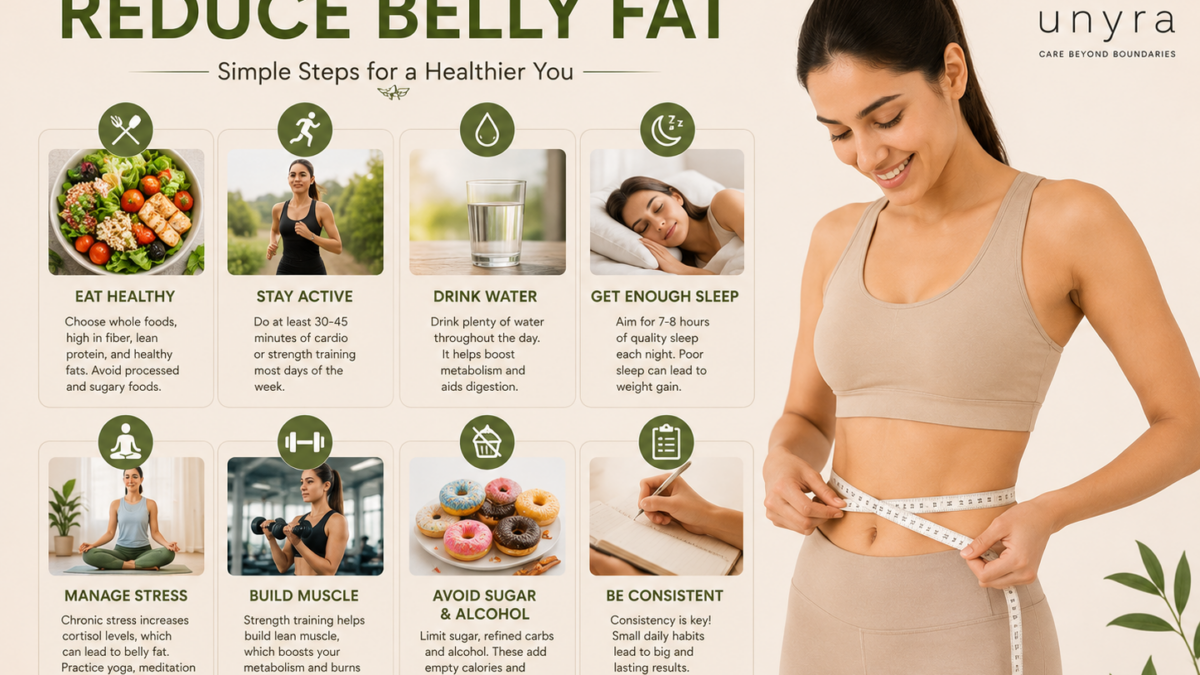
Belly fat has become one of the most frustrating health challenges for millions of people worldwide. You might notice your favorite jeans fitting tighter around the waist while your arms and legs look exactly the same.
This stubborn abdominal fat isn’t just an aesthetic concern—it represents a genuine health risk that doctors take seriously. Visceral fat, the dangerous type that wraps around your internal organs, increases your risk for heart disease, diabetes, and certain cancers.
Understanding how to effectively target this fat requires looking beyond quick fixes and embracing proven strategies that work with your body’s natural processes.
Why Carbs Matter More Than You Think
Recent nutritional research has shifted the conversation about fat loss. Instead of cutting fats itself, experts now recommend focusing on carbohydrate reduction.
When you consume excessive carbohydrates, especially refined ones like bread, bagels, and sugary drinks, your body converts them into glucose and fructose.
The fructose component gets processed by your liver and converted directly into abdominal fat. This metabolic pathway explains why people who drink sugary beverages often gain weight around their midsection even when they seem to eat reasonably otherwise.
The Mediterranean diet has emerged as a top choice for 2026, combining produce-heavy meals with protein from seafood and beans while emphasizing healthy fats.
This approach naturally limits hunger-inducing processed foods without requiring strict calorie counting. Studies show that people following this pattern lose visceral fat at double the speed compared to traditional low-fat diets.
Protein Becomes Your Best Friend
Adding lean protein to every meal has become a non-negotiable ritual for successful weight loss, according to Dr. Pal Manickam, a leading wellness expert.
Protein sources like eggs, fish, nuts, pulses, vegetables, and dairy products work differently than other foods in your body. Research indicates that consuming 25 to 30 percent of your calories from protein significantly aids fat loss while preserving muscle mass.
This preservation matters because muscle burns more calories throughout the day, both at rest and during activity.
The practical application is straightforward but powerful. Include protein in your breakfast, lunch, and dinner without exception. This strategy satisfies hunger longer and prevents the energy crashes that lead to snacking on problematic foods.
Movement That Actually Burns Abdominal Fat
Physical activity helps burn abdominal fat, but the type of exercise matters more than most people realize. A comprehensive 2025 meta-analysis published in Sports Medicine revealed that high-intensity interval training reduces visceral fat three times faster than steady-state cardio.
HIIT sessions involve short bursts of all-out effort followed by recovery periods. Sprint intervals with 30 seconds of maximum running or biking followed by 90 seconds of rest create this effect efficiently.
You don’t need hours at the gym daily. Three weekly HIIT sessions lasting 20 to 30 minutes combined with two full-body strength days focusing on compound lifts produces better results than long, occasional workouts.
Walking lunges with torso rotations, kettlebell swings, and battle ropes engage your core while torching calories. For most people, 30 to 60 minutes of moderate to vigorous exercise nearly every day provides the right balance.
The Sleep Connection Nobody Talks About
Lack of sufficient sleep has emerged as a critical factor in belly fat accumulation. New research from Mayo Clinic demonstrates that sleep deprivation combined with free access to food increases calorie consumption and fat accumulation specifically inside the belly.
Participants who got insufficient sleep showed a 9 percent increase in total abdominal fat area and an 11 percent increase in abdominal visceral fat compared to those who slept adequately.
The goal is seven to eight hours of sleep nightly. Losing just one hour of sleep results in approximately 12 grams of visceral fat mass accumulation.
This relationship appears to plateau around eight hours, meaning you won’t gain additional benefits from sleeping more. People on weight-loss journeys often mistake tiredness for hunger, leading to unnecessary calorie consumption that undermines their efforts.
Stress Management as a Weight Loss Tool
Stress represents your biggest enemy during weight loss, especially when targeting belly fat. When you’re stressed, your body produces cortisol, a hormone that specifically encourages fat storage in the abdominal region.
This biological response explains why high-stress individuals often carry weight around their midsection regardless of their diet or exercise habits.
Focusing on activities that keep you relaxed and happy creates a protective effect. Mindfulness practices such as meditation, deep breathing exercises, walks in nature, or dedicating time to hobbies meaningfully reduce stress levels.
These activities don’t require special equipment or expensive memberships. Even ten minutes of daily deep breathing can lower cortisol production and support your fat loss goals.
Consistency Over Shortcuts
The most important realization about belly fat reduction is that consistency drives results while shortcuts fail. Following a daily routine that allows you to live a healthy, balanced lifestyle creates sustainable change. This approach begins with your diet, continues through exercise, and extends into cultivating habits that support long-term health.
Measured around your waistline, staying under 35 inches if you’re a woman or under 40 inches if you’re a man reduces heart and diabetes risks significantly.
Focus on how your clothes fit more than obsessing over scale readings, since body composition matters more than total weight. Hanging out with health-focused friends creates social support that reinforces positive choices and makes the journey more enjoyable.
Your belly fat reduction journey starts with small, manageable changes that build upon each other. Cut sugar, add protein to every meal, move your body daily, prioritize sleep, and manage stress. These strategies work together synergistically, creating results that quick fixes never achieve.